
Table of Contents
- What Makes a Ranch Broker the Right Fit for a Large Cattle Operation
- Ranch Broker Experience: What to Look For Before You Hire Anyone
- Cattle Ranches for Sale in Northern California: County by County Coverage
- How to Compare Ranch Brokers Side by Side
- Off-Market Ranch Properties: Why the Best Land Never Hits the Listing Sites
- Your Cattle Ranch Buyer Checklist Before You Make an Offer
- Conclusion
- Frequently Asked Questions
Last Updated: October 15, 2026
What Makes a Ranch Broker the Right Fit for a Large Cattle Operation
The best brokers for buying large-scale cattle ranches in Northern California run cattle themselves, know the county-by-county grazing country, and have closed big acreage deals. At Martinez Ranch Management & Real Estate, we have spent more than 60 years selling and managing ranches here, and we also run cattle.
A ranch broker is a licensed real estate professional who specializes in agricultural land, grazing operations, and rural property transactions rather than homes or commercial buildings.
Large-scale cattle ground is a different asset class. A 4,000-acre winter range in Tehama County is not a big house with a barn. It is a business with feed, water, access, and carrying capacity attached. A broker who has never leased pasture or shipped calves will miss the details that decide whether a ranch works.
Why General Agents Struggle With Large-Scale Ranch Transactions
General agents struggle because they price land like residential property and skip the questions that matter: how many pairs the ground carries, where the water comes from, and whether the access is legal and usable year-round.
Most agents never ask how many cows a place will run. They compare acreage to nearby sales and call it a day. But two ranches of the same size can carry very different numbers of cattle depending on grass, water distribution, and terrain.
Grazing leases, easements, and water arrangements on rural land are not standard residential contracts. A general agent may not recognize what is missing until escrow is moving.
The most common mistake we see is a buyer falling for a ranch because of the views, then discovering the stock water will not support the herd they planned. Confirm water and access before you fall in love with the landscape.
Ranch Broker Experience: What to Look For Before You Hire Anyone
Ranch broker experience means a track record of closed agricultural land transactions, working knowledge of livestock operations, and a clear footprint in the counties where you want to buy. Ask for specifics.
Questions That Reveal Real Transaction History
- How many ranches have you sold in the last three years, and in which counties?
- Do you run cattle or manage grazing ground yourself?
- Can you walk me through a large-scale deal from listing to closing?
- What do you check first when you evaluate a cattle ranch?
- How do you find properties that are not publicly listed?
A broker with real depth answers with names of counties, not vague generalities. If the answers stay fuzzy, keep looking.
Ask what the broker does after closing. The best ranch relationships continue through grazing lease help and management questions long after the deed transfers. That ongoing role is a signal of real experience.
Cattle Ranches for Sale in Northern California: County by County Coverage
Cattle ranches for sale in Northern California vary widely by county, and the right broker needs coverage across the whole region. We work Tehama, Shasta, Siskiyou, and Butte counties, plus Southern Oregon and Northern Nevada.
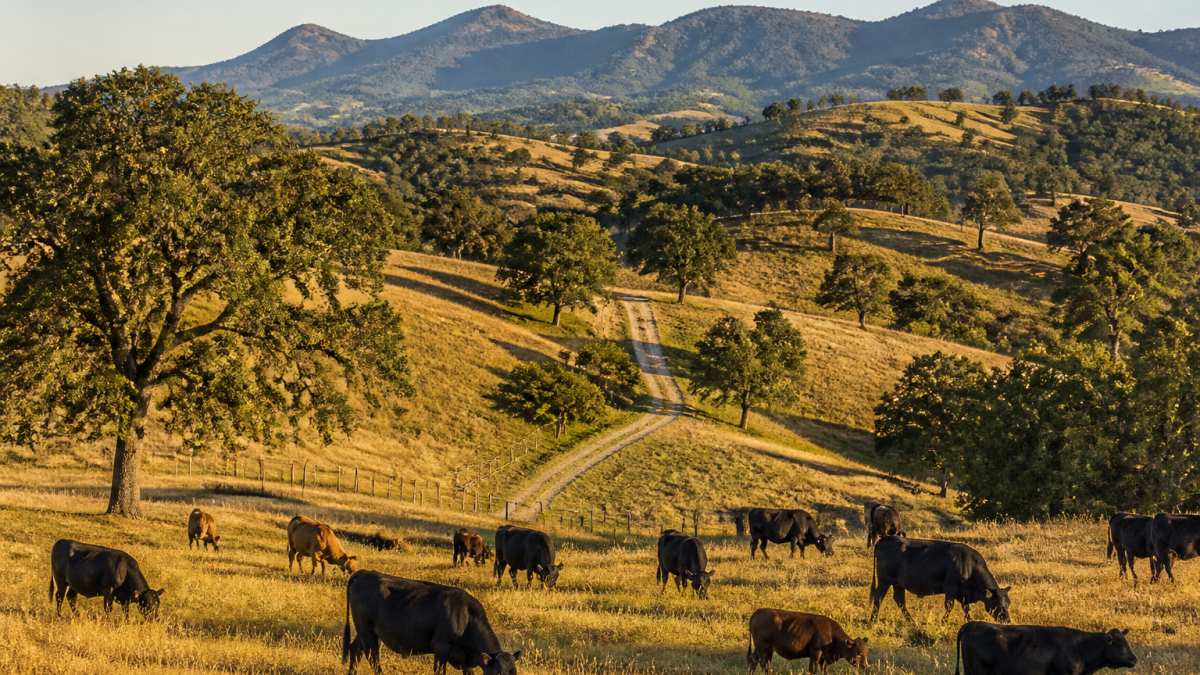
Most buyers start with acreage and end up buying a season.
Tehama County. Valley floor and lower foothills, with most grazing used as winter range.
Shasta County. A mix: irrigated pasture and smaller hay ground on the valley side, foothill grazing farther out, and many operations running a few hundred head rather than a few thousand.
Siskiyou County. High-country summer pasture, mountain meadows, and river water.
Butte County. Smaller and more fragmented, with irrigated pasture, foothill grazing, and ground closer to town.
Southern Oregon and Northern Nevada. Both extend the same grazing country across the state line. Southern Oregon adds high desert and mountain summer range; Northern Nevada adds big, open winter and spring country.
County matters because grass, water, and season of use change with the map. To see what is currently on the market across these counties, start with our cattle ranches for sale in Northern California page.
Tell a broker your season of use before you tell them your budget. A winter-range buyer and a summer-pasture buyer are shopping in different counties, and the sooner that is clear, the less time you waste on ground that will never fit your herd.
How to Compare Ranch Brokers Side by Side
Comparing ranch brokers side by side comes down to transaction experience, agricultural knowledge, geographic coverage, and how they represent you as a buyer. Score each against the same criteria.
| What to Compare | What Good Looks Like | Why It Matters |
|---|---|---|
| Transaction experience | Closed large-acreage ranch sales | Proves they can handle complex deals |
| Agricultural knowledge | Runs cattle or manages grazing | They read carrying capacity and water |
| Geographic coverage | Works your target counties | Access to local listings and owners |
| Buyer representation | Works for you, not the seller | Protects your interests in the deal |
| Off-market access | Finds unlisted properties | Best land often never hits listing sites |
The best brokers for buying large-scale cattle ranches in Northern California score well across all five rows. A broker strong on coverage but weak on livestock knowledge will miss operational red flags; one who knows cattle but works only one county cannot show you the full market.
Martinez Ranch Management & Real Estate brings over 60 years of ranch experience, hands-on cattle work, and coverage across four counties plus two neighboring states. See how our ranch management services support owners long after the sale.
Off-Market Ranch Properties: Why the Best Land Never Hits the Listing Sites
Off-market ranch properties never appear on public listing sites, often because the owner wants privacy, is testing the market quietly, or has not decided to sell yet. Owners of big ranches do not want neighbors or competitors knowing their business, so the property moves through a broker’s private network instead.
This is where local relationships pay off. A broker who has worked a county for decades knows which families are thinking about selling before anything is listed.
If your search starts and ends on the big listing sites, you are shopping in the smallest part of the market. The ranches that fit a serious cattle operation often never get posted publicly.
We keep a list of owners who would consider the right offer. Tell us what you need, and we can look beyond the public listings. You can also review our current properties to see what is available.
Your Cattle Ranch Buyer Checklist Before You Make an Offer
A cattle ranch buyer checklist keeps you from making an emotional decision on a large purchase. Work through every item before you make an offer.
- Confirm how many pairs or cows the ground will carry through the season you plan to run
- Verify stock water: sources, reliability, and distribution across the property
- Check access: is there a legal, usable road to the ranch and to each pasture?
- Review grazing leases and any easements attached to the land
- Walk the fences, corrals, and working facilities
- Confirm the boundaries and acreage with the county
- Ask about any leases, permits, or agreements that transfer with the sale
- Have your attorney and lender review the contract before you sign
Water and access decide whether a ranch functions; everything else can usually be fixed. If the water will not support your herd or the access is questionable, walk away.
Carrying Capacity: The Number That Decides the Deal
Carrying capacity is how many animals the ground will support through a given season without damage to the grass. It is not a fixed number stamped on the deed. It moves with rainfall, how the place has been grazed, and how the water is spread out.
Two ranches of the same size can carry very different numbers of cattle. A place with one reliable water source in a corner will run fewer cows than the same acreage with water in every pasture, because cattle will not graze far from water. Ask the seller how they stocked it, in which months, and how many head they ran in a dry year versus a wet one.
Water: Sources, Reliability, and Distribution
Stock water is the first thing to understand and the hardest to fix. Look at where the water comes from, a river, a developed spring, a well, a stock pond, and whether it reaches every pasture. A single source serving the whole ranch is a bottleneck; distribution is what turns acreage into grazing.
Water on rural land often comes with arrangements attached: a ditch right, a shared spring, a river subject to a water right held by someone else. Those arrangements are not something a broker can settle for you. Confirm the details with a water rights attorney and the county before you commit.
Access: Legal, Usable, and Year-Round
Access is the second deal-breaker. A ranch can be surrounded by country that looks open and still have no legal right to reach part of it. Ask whether the road is owned, easemented, or a handshake with a neighbor, and whether each pasture can be reached without crossing someone else’s ground.
Usable matters as much as legal. A road that works in August may not work in February. If you plan to run cattle year-round or move them on a schedule, the access has to hold up in the season you need it.
Leases, Easements, and Agreements That Transfer
Rural land often carries arrangements that follow the property: a grazing lease, a utility easement, a neighbor’s right to cross a corner, a hunting lease. Ask for a written list of everything attached to the land and read it before you offer.
What to Bring In
For anything involving water rights, grazing agreements, or financing, bring in the right professionals. Confirm the details with a water rights attorney, your lender, and the county before you commit. We can walk the ground with you and point out what to ask, but those calls belong to your team.
On a large cattle ranch, water and access are the two items that decide whether the place works. Everything else on the checklist is a negotiation point. Those two are walk-away items.
Conclusion
Buying a large-scale cattle ranch is one of the biggest decisions you will make, and the broker you choose shapes the whole process. The right one knows the country, understands cattle, and can show you land that never reaches the public listings.
Martinez Ranch Management & Real Estate has spent over 60 years selling and managing ranches across Tehama, Shasta, Siskiyou, and Butte counties, plus Southern Oregon and Northern Nevada. We run cattle, we know the ground, and we help buyers find properties that are not on the market.
If you are ready to find the right ranch, contact us and tell us what you are looking for. We will help you find it, whether it is listed or not.
Frequently Asked Questions
What should I look for in a broker when buying a cattle ranch?
Look for someone who has closed large-scale ranch transactions, not just rural homes. Ask how many cattle ranches they have represented, which counties they work in, and whether they understand grazing capacity and livestock suitability. A broker who runs cattle themselves will read a property differently than a general agent. Also confirm they will represent your interests through the entire purchase, not just show you listings.
How do I find cattle ranches for sale in Northern California?
Start with a ranch broker who works Tehama, Shasta, Siskiyou and Butte counties daily. Public listing sites show only part of the market. A local broker can also surface off-market ranch properties that sellers never advertise. Tell them your herd size, water needs and county preferences, then let them match you with properties that actually fit your operation instead of whatever happens to be listed.
How can a broker help me find ranch properties that are not publicly listed?
Off-market ranch properties move through local relationships, not listing sites. A broker who has worked the same counties for decades hears about ranches before they are publicly offered. They can approach owners directly, gauge whether a sale is possible, and bring you opportunities that never appear online. That access is often the main reason large-scale buyers work with a local ranch broker.
Can a ranch broker help assess whether a property fits my cattle operation?
Yes. A broker with ranching background can walk the land with you and talk through grazing capacity, water sources, fencing, access and how the property would handle your herd through the seasons. They cannot replace your own due diligence or professional inspections, but they can flag whether a ranch is worth pursuing before you spend time and money on it.