
Last Updated: November 22, 2026
Quick Summary
Moving from city to ranch works best as a staged transition rather than a single leap. Visit the county across several seasons, rent nearby for a few months, and work real ranch routines before you buy. Decide your main use first, since cattle, horses and retreats need different land.
- Write down whether you will run cattle, keep horses, or just enjoy open space.
- Visit the same county more than once across the year to see seasonal changes.
- Rent a house nearby for a few months to test the drive to town and services.
- Spend a calving or hay season helping on a ranch before you buy one.
- Walk the boundaries and ask about road access and water before making an offer.
Table of Contents
- Why Buyers Make the Move From City to Ranch
- City to Country Living Pros and Cons
- Test the Lifestyle Before You Buy
- Tips for Buying Rural Property
- How to Choose a Ranch Property That Fits Your Goals
- Questions to Ask When Buying a Ranch
- Your Next Step: Call Martinez Ranch Management
- Frequently Asked Questions
Why Buyers Make the Move From City to Ranch
Many people who make the city to ranch move are looking for more space, quiet, and a way of life they can actually build with their hands. Some want room for a few cattle or horses. Others want land they can pass down. Whatever the reason, the move is a big change, and it helps to plan it before you sign anything.
At Martinez Ranch Management & Real Estate, we have spent over 60 years selling and managing ranches in Tehama, Shasta, Siskiyou and Butte counties. Buyers who know why they want a ranch tend to make better choices about which one to buy.
Start by writing down what you want the land to do for you. Ask yourself:
- Will you run cattle, keep horses, or simply enjoy open space?
- How much time can you spend on the property each week?
- Will you live on the ranch full-time, or use it as a retreat?
- Do you need to earn income from the land?
Your answers will narrow your search fast. You can browse our cattle ranches for sale in Northern California or our equestrian properties once you know which direction fits.
City to Country Living Pros and Cons
Rural life offers real benefits, but it also comes with trade-offs. Knowing both sides keeps you from being surprised later. Read what living on a ranch is really like day to day before you decide.
Pros of country living:
- More land, quiet, and clean air
- Lower housing costs per acre than most city lots
- Room for livestock, gardens, and outdoor work
- A slower pace and a close-knit community
Cons to plan for:
- Longer drives to stores, medical care, and work
- Fewer services and slower internet in some areas
- Ranch work that takes time every single day
- Less anonymity, since neighbors notice what you do
Plan for distance first. A property 30 minutes from town can feel very different from one that is two hours away once winter roads or a truck breakdown come into play. Think about how often you will need supplies and appointments.
Test the Lifestyle Before You Buy
Most buyers who struggle after the move did not misjudge the scenery. They misjudged the routine. A ranch is a daily obligation, not a weekend setting, and the only reliable way to know whether you want that obligation is to live it in stages before you commit.
A staged transition works better than a single leap. Think of it as a ladder, and climb one rung at a time.
Stage one: visit across seasons. A property that looks right in May can read very differently in February, when the creek is high, the road is soft, and the morning starts with breaking ice. Visit the same county more than once across the year. In Tehama and Shasta counties, summer heat and winter wet can feel like two different properties in the same fence line. In Siskiyou, snow line and elevation change what is reachable and when.
Stage two: rent nearby. Rent a house or small place in the county you are considering for a few months if you can. You are not testing the ranch yet. You are testing the drive to town, the feed store, the vet, the school, and the neighbors. Distance feels abstract on a map and very real at 6 a.m. with a sick animal.
Stage three: work the routine. Arrange to spend real days doing the chores you expect to own. Move irrigation, fix fence, feed, check water, and haul. A week of that tells you more than a year of listing photos. If you have never handled livestock, say so up front and ask to shadow someone who has.
Stage four: take the courses and join the groups. Local cattlemen’s associations and extension programs can teach the seasonal calendar, the local customs, and who to call when something breaks. They also introduce you to the people you will rely on.
Stage five: work on a ranch before you buy one. This is the step most buyers skip and the one that saves the most regret. Spend a calving season or a hay season helping on an operation. You will learn whether you like the work, not just the idea of it.
Watch out: buying on a single spring visit is a common mistake. The property is at its best, the roads are dry, and the water is running. The buyer signs, then meets the same land in winter and finds the access, the mud, and the workload are not what they pictured.
If you want to test the operational side before you commit, our ranch management services include grazing leases and running cattle, and talking with us about carrying capacity is a practical way to learn what a given piece of land will actually support. When you are ready to look, start with our current listings.
Testing the lifestyle in stages before you commit can help you avoid the most common regrets after the move.
| Stage | What to do | Why it matters |
|---|---|---|
| Visit across seasons | Visit the same county more than once across the year | A property can feel very different in summer and winter |
| Rent nearby | Rent a house or small place in the county for a few months | Tests the drive to town, feed store, vet and neighbors |
| Work the routine | Spend real days doing the chores you expect to own | Shows the daily workload better than listing photos |
| Take courses and join groups | Join local cattlemen’s associations and extension programs | Teaches the seasonal calendar and introduces helpful contacts |
| Work on a ranch first | Spend a calving or hay season helping on an operation | Shows whether you like the work, not just the idea |
Tips for Buying Rural Property
Rural property buying works differently from buying a house in town. The land, water, access and surroundings all matter more, and the paperwork can be more involved.
Keep these tips in mind:
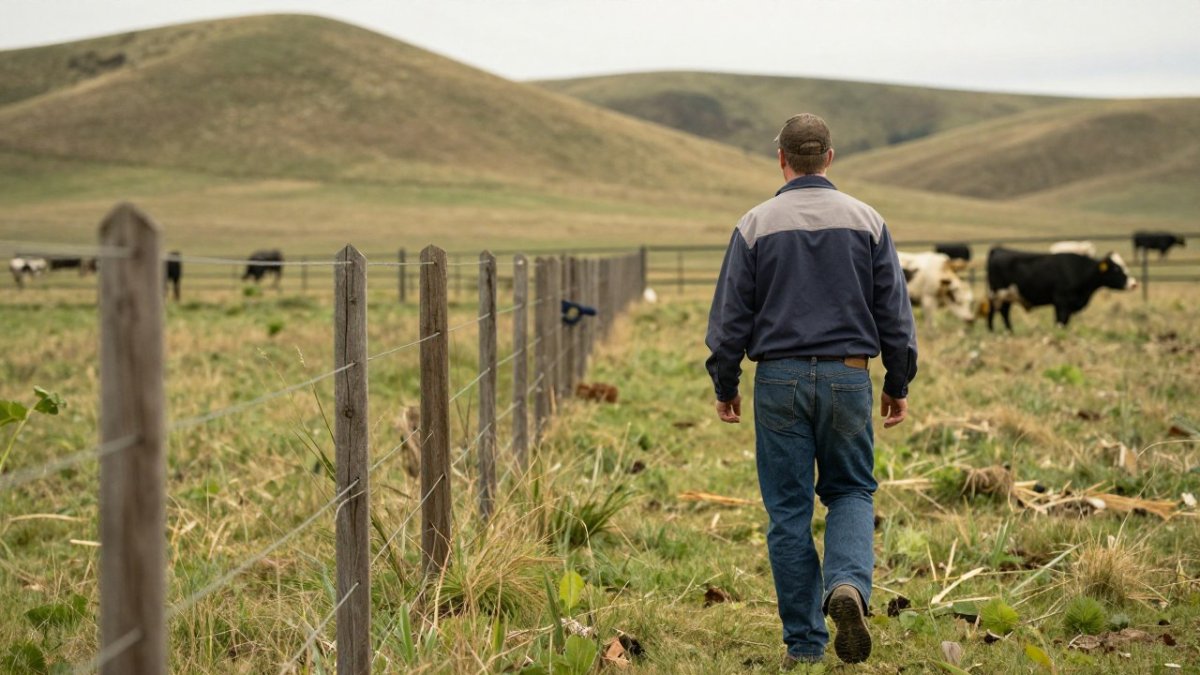
- Walk the boundaries. Confirm where the fences and property lines actually sit.
- Ask about access. Check whether the road is private, shared, or seasonal.
- Look at the water. Ask how it is supplied and used, then confirm the details with a water rights attorney.
- Plan your budget beyond the price. Fencing, equipment, feed and repairs add up.
- Bring in professionals. Use a licensed inspector, a lender and a tax adviser for the parts of the deal that need an expert.
We cannot advise on inspections, appraisals, zoning, water rights, financing or taxes. Those topics depend on the specific property, so confirm them with the county, the right professional, or your lender before you make an offer.
How to Choose a Ranch Property That Fits Your Goals
The right ranch depends on what you plan to do there. Our guide on what to know before buying a ranch covers the broader decisions to make first. A property built for cattle may not suit a horse operation, and a recreation retreat may not have the grazing you need.
Work through these questions:
- What is the main use? Grazing, horses, hunting, or a family retreat each need different land.
- How much acreage do you need? More land is not always better if you can’t use it well.
- What is the existing setup? Fencing, barns, pens and water sources can save you a lot of work.
- Where is it located? Compare proximity to town, vet care and feed suppliers.
A helpful way to narrow the field is to rank your top three goals. Then compare each property against those goals instead of against the listing photos.
Evaluating Land for Cattle or Horses
If you plan to run livestock, look closely at the land. Good pasture, reliable water and sound fencing matter more than a large number on a listing sheet.
When you walk the land, watch for:
- Grass cover and signs of overgrazing
- Water sources that stay flowing through the dry months
- Fencing that holds and gates that work
- Shelter from wind and sun for animals
- Access for hauling feed and loading stock

We help buyers match land to their livestock plans, and we can point you to listings that fit a cattle or horse operation.
Questions to Ask When Buying a Ranch
Asking the right questions before you make an offer can prevent costly surprises. Bring this list when you visit:
- How long has the property been on the market, and why is it selling?
- How is water supplied, and what is the source?
- Is the road access private, shared, or maintained by the county?
- What fencing and buildings are included in the sale?
- Are there any known issues with the land, such as erosion or drainage?
- What utilities are available, and how reliable is the internet and phone service?
- Who are the neighbors, and what is the local community like?
Put any answers you can’t verify in writing, and confirm the important ones with the appropriate professional.
Your Next Step: Call Martinez Ranch Management
Moving from the city to a ranch is a big decision, and you don’t have to make it alone. Our team at Martinez Ranch Management & Real Estate has helped buyers in Northern California for more than 60 years, and we can help you find properties that aren’t on the market yet.
Call us at 530-949-4241 or contact our team to talk about the kind of ranch you want. We’ll help you find the land that fits your plans.
Frequently Asked Questions
What should I know before moving from the city to a ranch?
Spend time on a working ranch in the season you plan to live there. Winters, summer heat and long drives to stores or medical care all feel different in person than they do on a listing. Talk with neighbors and local ranchers about water, road access and what daily life requires. Confirm zoning, water and financing questions with the county, a water rights attorney, a lender or a tax adviser before you commit.
What is the biggest adjustment when moving from city life to rural living?
Most people find the slower pace and the distance from services the hardest part. Errands take planning, and help in an emergency may be farther away. Many buyers who settle in well keep a list of supplies, learn basic equipment repair and build relationships with neighbors early, since those neighbors often become the first call when something goes wrong.
What should I look for when buying rural property?
Look at access roads, water sources, fencing condition, pasture quality and the layout of any barns or outbuildings. Ask how the land has been used and whether it has carried livestock. A licensed inspector should review the structures, and the county or a qualified professional should confirm zoning and water questions for the specific parcel.
How do I choose a ranch property that fits my family or operation?
Start with your goals: a family retreat, a horse property or a cattle operation each need different acreage, water and infrastructure. Write down your daily routine, then match it to the land. Martinez Ranch Management can help find properties that are not on the market, so tell us exactly what you need when you call 530-949-4241.
